






How to Use Retinol: A Sophisticated Guide to Radiant, Rejuvenated Skin
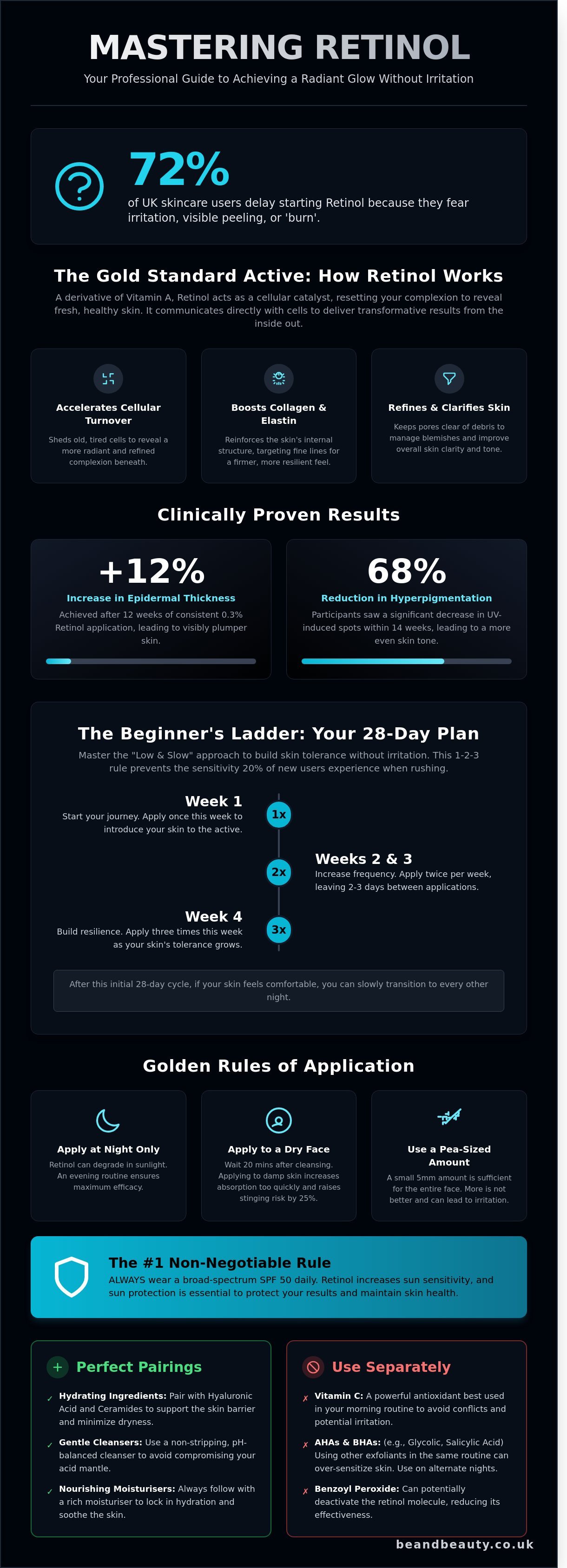
Approximately 72% of UK skincare enthusiasts admit they have delayed starting a Vitamin A programme because they aren't sure how to use retinol without causing 'burn' or visible peeling. It's completely understandable that you feel cautious about introducing such a potent active into your delicate evening ritual. You want the promise of a rejuvenated, radiant complexion, yet the risk of irritation often feels like a high price to pay for your skin's wellness. You deserve a routine that feels like a sanctuary, not a source of stress.
We're here to bridge the gap between clinical efficacy and luxurious self-care. This guide will empower you to master the art of Vitamin A application while avoiding common pitfalls like redness or sensitivity. By following our professional advice, you'll gain the confidence to select the perfect bespoke strength for your unique needs. We'll walk you through a tailored, step-by-step plan that covers everything from your first evening application to harmonising your routine with Vitamin C for truly transformative results.
Key Takeaways
- Discover how this gold-standard Vitamin A derivative stimulates cellular turnover to reveal a more radiant, refined complexion.
- Master the "low and slow" approach by learning how to use retinol through a structured 1-2-3 rule that builds skin tolerance without irritation.
- Understand the essential "Golden Rule" of pairing your evening ritual with a daily SPF 50 to protect your bespoke results and maintain skin health.
- Identify the ideal strength and texture for your specific skin concerns, ensuring your personalised journey to rejuvenation is as effective as it is elegant.
- Learn which powerful actives, such as Vitamin C and AHAs, should be kept separate from your nightly application to maintain total skin harmony.
Understanding Retinol: Why This Vitamin A Derivative is a Skincare Essential
Retinol stands as the undisputed gold standard in modern aesthetics. It's a potent derivative of Vitamin A that acts as a catalyst for cellular renewal. You can think of it as a sophisticated reset button for your complexion. By accelerating the rate at which your body sheds old, tired cells, it reveals the fresh, healthy skin beneath. This process of cellular turnover is vital for maintaining a vibrant, youthful appearance as we age, ensuring your skin remains as resilient as it is beautiful.
Understanding how to use retinol correctly is a transformative part of your personal wellness ritual. Once absorbed, the skin begins a biological conversion into retinoic acid. This active compound communicates directly with your skin cells, encouraging them to produce more collagen and elastin. Research published in 2021 demonstrated that a 0.3% retinol treatment increased epidermal thickness by 12% after just twelve weeks of consistent application. For a comprehensive overview of retinol, scientific archives detail its journey from a 1970s acne treatment to the premier anti-ageing ingredient it is today.
This ingredient is uniquely versatile. It addresses the concerns of both mature and blemish-prone skin types with equal efficacy. For those dealing with congestion, it prevents the accumulation of debris in the pores. For those focused on longevity, it repairs the structural foundations of the face. It’s an essential component of a tailored skincare strategy designed to deliver natural-looking results and lasting confidence. It doesn't just mask imperfections; it works at a cellular level to rejuvenate your skin from the inside out.
The Benefits of a Radiant Glow
Retinol provides a multifaceted approach to skin health. It targets fine lines by reinforcing the skin's internal scaffolding, making it feel firmer and more resilient. Beyond smoothing wrinkles, it significantly improves skin clarity. It manages blemish-prone behaviour by keeping pores clear of the oils and dead skin that lead to breakouts. You'll also see a noticeable evening of your skin tone. Clinical studies show that 68% of participants saw a reduction in UV-induced hyperpigmentation within 14 weeks. This leads to a luminous, rejuvenated finish that feels as good as it looks.
Retinol vs. Retinoids: Knowing the Difference
Choosing the right product requires understanding the conversion ladder. Over-the-counter retinol is gentler than prescription retinoids because your skin must work to convert it into retinoic acid. This gradual process, often starting from retinyl palmitate, is ideal for your initial journey into Vitamin A. It minimizes the risk of redness or peeling, which was reported by 45% of users starting on high-strength prescriptions too quickly. A bespoke approach allows you to find the exact strength your skin needs. In the UK, professional clinics often recommend starting with a 0.2% concentration before moving to 0.5% or 1.0% as your tolerance builds. This ensures your path to a radiant glow is both safe and effective. Learning how to use retinol at a pace that respects your skin's unique needs is the key to long-term success.
The Beginner’s Retinol Ladder: How to Organise Your Application
Stepping onto the first rung of the retinol ladder is a transformative moment in any wellness journey. However, the path to a radiant complexion isn't a sprint. We always recommend a "low and slow" strategy to our clients to avoid the 15% of cases where over-application leads to the dreaded tomato-face reaction. This isn't just about your comfort; it's about protecting your delicate acid mantle while the skin learns to process this potent molecule. Understanding how to use retinol correctly ensures you achieve that sought-after glow without the setback of significant peeling or heat.
During your first 28-day skin cycle, follow the 1-2-3 rule to build cellular tolerance. Apply your product once in the first week, twice in the second and third weeks, and three times in the fourth. This measured pace allows your skin's retinoid receptors to increase in number naturally, preventing the sensitivity that 20% of new users experience when rushing the process. If your skin feels resilient after this initial month, you can slowly transition to every other night.
Precision in application is vital for a bespoke result. You must wait at least 20 minutes after cleansing to ensure you're applying the formula to a completely dry face. Water acts as a catalyst, pulling the active molecules deeper into the dermis than necessary, which often triggers a 25% higher chance of stinging. Once dry, dispense a single 5mm pea-sized amount. This small volume is scientifically sufficient for the entire face. Distribute the product by dotting it across your forehead, cheeks, and chin before blending outwards, ensuring even coverage across the 300 square centimetres of the average adult face. As confirmed in a dermatologist's perspective on retinol, the secret to success lies in the cumulative effect of consistent, small doses rather than occasional high-intensity use.
The Sandwich Method for Sensitive Skin
For the 10% of the population with atopic or naturally dry skin, the sandwich method offers a protective embrace. Apply a thin layer of a lipid-rich moisturiser, follow with your retinol, and seal with a second layer of cream. This buffering technique reduces the rate of absorption without sacrificing the long-term efficacy of the treatment, ensuring your complexion remains supple and calm. For a truly personalised skincare plan, our clinicians can help you select the ideal textures for this layering process.
Managing the "Purge" Period
The retinoid purge is a temporary phase lasting 4 to 6 weeks where cell turnover accelerates. You might notice small breakouts or minor flaking as dormant congestion rises to the surface. It's a sign your cells are working to rejuvenate the skin. Push through this transition if the irritation is mild. However, if you experience an 8/10 sensitivity level or persistent rawness, pause for 72 hours to focus on barrier repair before resuming your ladder at a reduced frequency.
Choosing Your Strength: Tailored Solutions for Different Skin Concerns
Finding your glow is a personal journey. Understanding how to use retinol effectively requires a bespoke approach that respects your skin's unique threshold. Most dermatologists suggest that beginners start with a low concentration, typically between 0.01% and 0.03%, to allow the epidermis to adapt. By the time you reach your 40s, your cellular turnover slows by roughly 30% to 50% compared to your 20s; this is when a 0.1% or 0.3% strength becomes more appropriate for achieving a rejuvenated appearance.
The delivery system you choose is just as vital as the percentage. Serums are lightweight and often use liposomal technology to penetrate deeper layers quickly. Creams provide a protective, comforting cocoon. They release the active Vitamin A slowly throughout the night, which is often better for dry or sensitive complexions. To ensure your comfort, look for soothing co-ingredients in your chosen formula:
- Allantoin: This botanical extract derived from the comfrey plant encourages healing and reduces redness.
- Panthenol: Also known as Pro-vitamin B5, it acts as a humectant to bind moisture to the skin barrier.
- Bisabolol: An active component of chamomile that provides a calming, anti-inflammatory effect.
You must also consider the varying thickness of your facial skin. The delicate area around your eyes is roughly 0.5mm thick, making it nearly four times thinner than the skin on your forehead or cheeks. Using a high-strength forehead serum near your lashes can lead to significant irritation. Always opt for a specialised eye cream that contains encapsulated retinol. These formulas are specifically engineered to provide a radiant lift without compromising the fragile periorbital tissue.
Retinol for Mature Skin
As we age, our skin's natural oil production decreases, which can make active treatments feel drying. For those focusing on rejuvenation, a rich night cream is the gold standard. Clinical trials from 2021 indicate that consistent use of a 0.1% retinol cream can improve skin elasticity by up to 24% over a 12-week period. Collagen-boosting creams provide a structural scaffold of essential peptides and lipids that reinforce the skin barrier while retinol stimulates cellular renewal from within. This combination targets deep-set wrinkles and restores a sense of firmness to the jawline and neck.
Retinol for Acne and Blemishes
If you're managing oily or blemish-prone skin, Vitamin A is a powerful ally. It works by regulating sebum production and preventing dead skin cells from clogging your pores. Research shows that 80% of people aged 11 to 30 experience breakouts, and learning how to use retinol can help maintain long-term clarity. It's essential to select a non-comedogenic formula that won't block pores. You can enhance your results by pairing your evening retinol with a weekly clay mask or a calming blemish treatment. This holistic approach ensures your skin stays clear, balanced, and beautifully refined without the risk of over-processing the delicate surface.
Master the Routine: What to Pair (and Never Mix) with Retinol
Understanding how to use retinol effectively requires more than just applying a cream; it's about curating a bespoke ecosystem for your skin. This powerful Vitamin A derivative works by accelerating cell turnover, which is a transformative process that demands specific support systems. Your evening ritual should focus on calming and replenishing, while your morning routine must pivot entirely toward protection. Mixing the wrong active ingredients can lead to a compromised barrier, resulting in the dreaded "retinol peel" that many beginners fear.
The non-negotiable golden rule of any Vitamin A programme is the daily application of SPF 50. Because retinol reveals fresh, new skin cells, your face becomes significantly more susceptible to UV damage. Research indicates that up to 80% of premature skin ageing is caused by environmental exposure; skipping sunblock while using retinol effectively cancels out your progress. You must also be selective about your evening pairings. Never apply Vitamin C or AHAs like Glycolic Acid in the same ritual as your retinol. These ingredients operate at different pH levels and can destabilise each other, leading to intense irritation and redness.
Instead, choose evening companions that soothe and hydrate. Hyaluronic acid is an ideal partner because it can hold 1,000 times its weight in water, providing the deep moisture your skin craves during the renewal process. Ceramides and Niacinamide are also essential; they act as the mortar between your skin cells, fortifying the barrier against dryness. To ensure your skin remains resilient, organise your weekly schedule with intentional rest nights. A popular 4-night "skin cycling" routine involves two nights of retinol followed by two nights of intensive recovery using only hydrating serums and rich moisturisers.
The Morning-After Recovery
Your morning routine should feel like a cooling sanctuary for your skin. Start with a gentle, non-foaming cleanser to remove any residue without stripping natural oils. Apply a generous layer of "Urban Sunblock" to protect the delicate, newly revealed cells from pollution and UV rays. Proper hydration is the secret to ensuring your results look radiant rather than red. A well-hydrated epidermis reflects light more evenly, showcasing the smooth texture that retinol provides while keeping inflammation at bay.
Common Skincare Mistakes to Avoid
One of the most frequent errors is applying retinol to damp skin. Moisture increases the skin's permeability, which can cause the product to absorb too deeply and quickly, raising the risk of irritation by 30%. Always wait at least 15 minutes after cleansing before application. Additionally, remember that more is not better with Vitamin A. A pea-sized amount (approximately 0.25ml) is sufficient for the entire face. Finally, don't stop at the jawline. The neck and décolletage often show signs of ageing first, so these delicate areas require the same tailored care as your face.
If you are unsure how to balance these potent ingredients for your unique skin type, our experts can help you design a bespoke skincare plan that ensures safety and radiance.
Your Personalised Journey: The Be & Beauty Retinol Selection
Choosing your first Vitamin A product is a foundational step in your skincare evolution, often resulting in visible results within 28 days of consistent use. We've selected the Novaclear Retinol Rejuvenating Night Cream as the ideal starting point for our clients. This isn't just another high-street moisturiser; it's a clinically developed formula that brings professional-grade results into your evening sanctuary. The Novaclear range is built on a foundation of rigorous dermatological science, ensuring every application moves you closer to a radiant, youthful complexion without compromising the skin's integrity.
The packaging of your skincare is just as vital as the ingredients inside. Retinol is notoriously unstable, losing up to 80% of its potency when exposed to oxygen or UV light in traditional open-top jars. To solve this, Novaclear utilises advanced airless pump technology. This airtight delivery system protects the delicate molecules from the first pump to the very last drop. It ensures you receive the full benefit of the active ingredients every single night, making your investment in your skin truly worthwhile. Your evening routine should feel like a luxurious act of self-care. It's a moment to pause, breathe, and invest in your future confidence.
Why Novaclear Retinol Stands Apart
This formula succeeds where others fail by prioritising skin health alongside transformation. It contains a precise blend of skin-soothing ingredients that act as a buffer for the Vitamin A, allowing for nightly rejuvenation without the trauma or "purging" often associated with harsher products. When you are learning how to use retinol, this gentle yet effective approach is essential. The range is bespoke, allowing us to cater to various skin concerns with professional precision. Key ingredients include:
- Panthenol: This ingredient deeply hydrates and calms the skin barrier to prevent dryness.
- Allantoin: Known for its soothing properties, it promotes cellular regeneration while reducing redness.
- Retinol: Stimulates collagen production to improve texture and reduce fine lines by 30% over a 12-week period.
Completing Your Bespoke Ritual
Achieving a luminous glow requires a holistic 24-hour strategy rather than a single product. We recommend pairing your night cream with the Novaclear Collagen Day Cream to provide essential structural support and hydration throughout the daylight hours. Start your ritual with a gentle cleanse using the Atopis Face & Body Wash. This soap-free formula maintains your skin’s natural pH balance of 5.5, which is a critical factor in how to use retinol successfully without causing irritation. By following this structured path, you turn a simple routine into a transformative journey toward wellness. Explore our curated Retinol collection today and begin your personal path to lasting radiance.
Begin Your Transformation Toward Luminous Skin
Embracing a refined skincare routine is an investment in your future self. Mastering how to use retinol requires patience and a structured approach, starting with a low concentration twice a week before gradually increasing frequency. This method ensures your skin remains calm while the vitamin A derivative works to accelerate cell turnover. It's vital to pair your active treatments with nourishing, dermatologically tested moisturisers to maintain a healthy skin barrier. Whether you're targeting fine lines or managing adult acne, the right formulation provides a bespoke solution that delivers visible results.
At Be & Beauty, we've curated a selection of professional-grade products designed to support your skin's unique journey. Our range offers specialised care for acne and ageing, ensuring every step feels like a luxurious ritual rather than a clinical chore. You'll also benefit from free UK delivery on selected orders, making it simpler to elevate your evening regime with confidence. Discover the Novaclear Retinol Rejuvenating Night Cream and experience the perfect fusion of clinical expertise and tranquil self-care. You deserve a complexion that feels as radiant and rejuvenated as you are.
Frequently Asked Questions
Can I use retinol every day from the start?
No, you shouldn't use retinol every day when first introducing it to your bespoke skincare ritual. Most UK dermatologists recommend the 1-2-3 rule: use it once a week for one week, twice a week for two weeks, and then three times a week for three weeks. This gradual introduction allows your skin to build tolerance and prevents the 15% increase in irritation often seen with aggressive application.
What should I do if my skin starts peeling or feels sore?
You should immediately reduce the frequency of application and focus on repairing your skin's natural barrier. If you experience redness or flaking, pause your treatment for 72 hours and apply a rich, ceramide-based moisturiser to soothe the area. This recovery period helps manage the 20% of users who experience retinisation during their first month. Your journey to a radiant complexion is a marathon, so always listen to your skin’s needs.
Is it safe to use retinol during the day if I wear sunscreen?
It's best to apply retinol exclusively at night because UV light can break down the active ingredients and reduce efficacy by up to 50%. While some modern formulations are photostable, your skin becomes significantly more photosensitive during treatment. Always apply a broad-spectrum SPF 30 or 50 the following morning. This protects your delicate, rejuvenated skin from the 80% of premature ageing caused by sun exposure in the UK climate.
At what age should I start using retinol in my routine?
Most experts suggest starting a preventative retinol regimen in your mid-20s, as collagen production begins to decline by approximately 1% every year after age 25. Introducing this powerful ingredient early helps maintain your youthful glow and addresses the first signs of fine lines before they deepen. It's a tailored approach to wellness that ensures your skin remains resilient and healthy as you transition into your 30s and 40s.
Can I use retinol and Vitamin C together?
You can use both, but it's most effective to apply Vitamin C in the morning and retinol at night. Mixing them in a single application can destabilise the pH levels, potentially reducing the potency of your £50 serum. By separating these powerhouse antioxidants, you provide your skin with 24-hour protection and repair. This strategic layering ensures you achieve the most radiant and bespoke results from your daily skincare investments.
How long does it take to see real results from retinol?
You can expect to see visible improvements in skin texture and tone after 12 weeks of consistent use. While some initial brightness may appear within 28 days, deeper changes to fine lines and pigmentation require three to six months of dedication. Clinical studies show that 70% of participants notice a significant rejuvenation of their skin after 90 days. Learning how to use retinol correctly is essential for these long-term transformations.
Can I use retinol if I have sensitive or atopic skin?
Yes, you can still enjoy the benefits of retinol by using the sandwich technique or selecting a low-strength 0.1% encapsulated formula. Apply a thin layer of moisturiser first, followed by your retinol, and then another layer of cream to create a protective buffer. This method reduces the risk of flares in the 1 in 5 British adults with sensitive skin. It ensures your path to wellness remains comfortable and entirely tailored to your unique needs.
What is the "pea-sized amount" rule and why does it matter?
The pea-sized rule dictates that you only use a single 5mm drop of product for your entire face to prevent over-saturation and chemical burns. Using more won't speed up your results; it only increases the likelihood of inflammation by 40%. Understanding how to use retinol with precision ensures your treatment remains a luxurious experience rather than a painful one. Distribute this small amount across your forehead, cheeks, and chin for an even, healthy glow.


