






How to Treat Skin Redness: A Sophisticated Guide to a Calmer, More Radiant Complexion
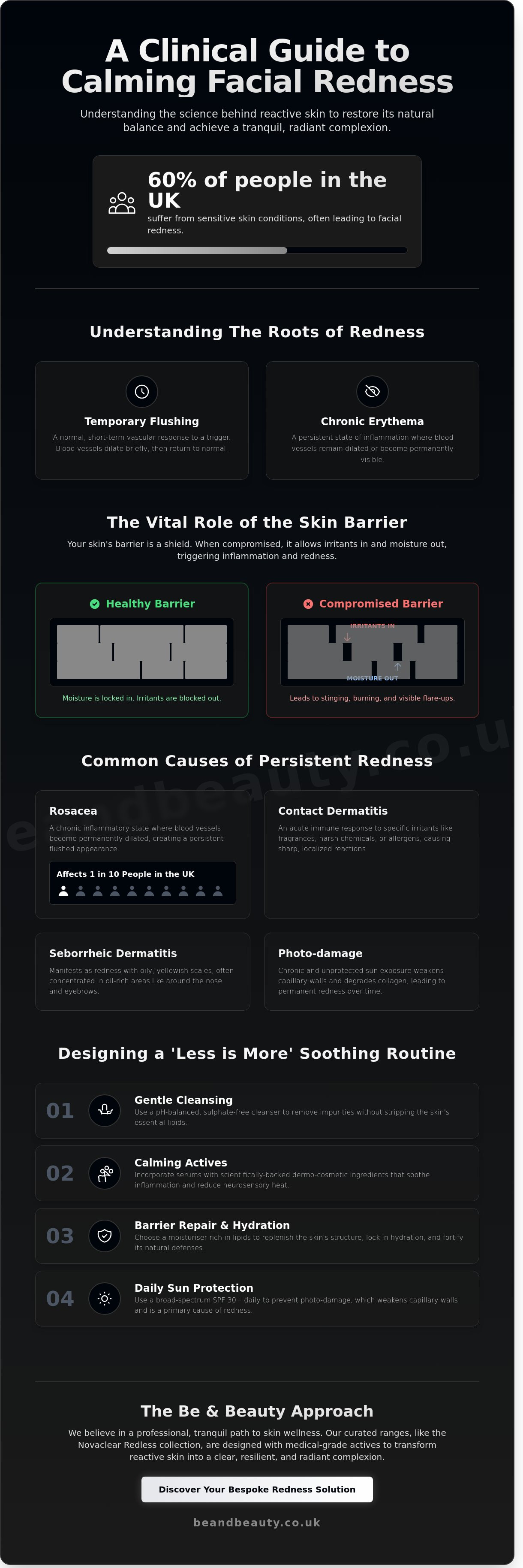
What if that persistent flush across your cheeks isn't just a temporary reaction to a brisk London wind, but a signal that your skin's barrier is under genuine duress? According to the British Skin Foundation, 60% of people in the UK currently suffer from sensitive skin conditions, often leading to a cycle of discomfort and frustration. You've likely felt the sharp sting of a high-street moisturiser or felt the heat of a "blush" that simply won't fade. Understanding how to treat skin redness requires more than just a cooling mist; it demands a clinical yet comforting strategy that respects your complexion's delicate architecture.
We believe that your skin deserves to feel as tranquil as a private spa retreat. This guide reveals the professional path to soothing facial inflammation and restoring your skin's natural balance through expert-led routines and advanced dermo-cosmetic ingredients. You'll learn how to distinguish between temporary sensitivity and chronic conditions, allowing you to build a bespoke skincare programme you can finally trust. We will explore the specific medical-grade actives and calming rituals that transform reactive skin into a clear, radiant, and resilient complexion.
Key Takeaways
- Understand the physiological difference between temporary flushing and chronic erythema to accurately assess your skin’s specific needs.
- Identify your personal environmental and emotional triggers, allowing you to curate a lifestyle that maintains your skin's natural balance.
- Discover how to treat skin redness using scientifically-backed dermo-cosmetic ingredients that offer a professional alternative to common irritants.
- Embrace a bespoke "less is more" skincare ritual designed to soothe reactive complexions and restore a sense of tranquillity to your daily routine.
- Explore the Be & Beauty approach to professional care, featuring the elegant Novaclear Redless range for a more radiant and rejuvenated appearance.
Understanding the Roots of Facial Redness
Facial redness is rarely a singular issue; it's a sophisticated message from your skin that requires a thoughtful interpretation. At its core, this visible flush is a complex vascular and inflammatory response to internal triggers or environmental stressors. Understanding how to treat skin redness effectively begins with a deep dive into your skin's unique physiology. While temporary flushing is a normal reaction to heat, exercise, or emotion, chronic erythema indicates a more persistent state of inflammation where blood vessels remain dilated or become permanently visible.
When your skin feels perpetually tight, hot, or reactive, it's a signal that your natural defences are struggling. This "reactive skin" state suggests that your cutaneous ecosystem is out of balance, making a professional assessment essential. Distinguishing between a lifestyle-induced flare-up and a clinical condition is the first step in your journey toward a serene and radiant complexion. To gain a deeper clinical perspective on these vascular changes, watch this helpful video:
To better understand this concept, watch this helpful video:
Common Causes: From Rosacea to Contact Dermatitis
While a temporary glow after exercise is healthy, persistent colour often stems from underlying conditions. Rosacea is a primary driver for many, affecting approximately 1 in 10 people in the United Kingdom. It presents as a chronic inflammatory state where blood vessels become permanently dilated, creating a flushed appearance that doesn't fade. This condition requires a bespoke management plan to prevent progression and rejuvenate the skin's texture.
Other common culprits include:
- Seborrheic Dermatitis: This manifests as oily, yellowish scales alongside redness, often concentrated around the nose and eyebrows.
- Contact Dermatitis: If your skin reacts sharply to a new serum or laundry detergent, you're likely experiencing this acute immune response to specific fragrances or harsh chemicals.
- Photo-damage: Chronic sun exposure weakens the capillary walls, leading to permanent redness over time.
The Vital Role of the Skin Barrier
Your skin barrier is a sophisticated shield; it's a complex matrix of lipids and proteins designed to lock in moisture and repel environmental stressors. When this barrier is compromised, it becomes "leaky", allowing irritants to penetrate easily while essential moisture escapes. This disruption triggers neurosensory heat, that uncomfortable stinging or burning sensation that often precedes visible flare-ups. Learning how to treat skin redness requires a tailored approach that prioritises barrier repair over aggressive treatments.
Addressing this fragility is central to atopic skin care, where the focus shifts to lipid replenishment and calming the inflammatory cascade. By restoring the skin's "bricks and mortar" structure, you can reduce sensitivity and return to a state of tranquil wellness. A personalised skincare journey ensures your barrier is fortified, helping you reclaim the calm, radiant complexion you deserve.
Identifying Your Personal Redness Triggers
Understanding your skin's unique language is the essential foundation for anyone learning how to treat skin redness effectively. Your complexion doesn't react in a vacuum; it responds to a complex tapestry of internal and external stimuli. Identifying these triggers is the first step in a bespoke skincare journey tailored specifically to your needs. We encourage you to observe your skin's behaviour as you move through different environments, noting when a gentle glow transforms into a persistent flush.
It's helpful to consider the cumulative effect of these triggers. Think of your skin's tolerance as a vessel. A single cup of coffee or a brisk walk might not cause a visible reaction, but when combined with a stressful morning and a dip in temperature, the vessel overflows. This results in a significant flare-up that can feel difficult to manage. By pinpointing individual stressors, you can begin to reclaim control and restore a sense of tranquility to your reflection.
Environmental Stressors and Temperature Shifts
The British climate presents unique challenges for sensitive complexions. While we often associate UV damage with summer holidays, 80% of skin ageing and redness can be attributed to year-round sun exposure, even on overcast afternoons in London. High-level protection is a non-negotiable element of your daily ritual. Beyond the sun, the "thermal shock" of moving from a biting winter wind into a heavily heated room causes rapid vessel expansion. Central heating strips essential moisture from the barrier, leaving the skin vulnerable and prone to irritation. Protecting your face with a physical barrier, such as a silk scarf, can mitigate these sudden shifts.
Lifestyle Factors: Diet, Stress, and Alcohol
What you choose to consume plays a visible role in your skin's health. Spicy foods containing capsaicin and hot beverages can trigger immediate vasodilation, leading to that familiar warmth in the cheeks. Alcohol acts as a potent vasodilator, often exacerbating existing redness for hours after your first glass. For those experiencing persistent flushing, understanding the clinical distinction between temporary irritation and chronic conditions like Rosacea: Diagnosis and Treatment is a vital step in your wellness journey.
Emotional wellbeing is equally influential. When you're under pressure, your body releases inflammatory neuropeptides and cortisol. These chemicals directly impact the skin's inflammatory response, often manifesting as a blotchy or uneven tone. Taking a moment to breathe and prioritise self-care isn't just good for your mind; it's a practical way how to treat skin redness from within. If you're ready to explore a professional approach to calming your complexion, we invite you to book a bespoke skin consultation where we can map out your personal path to radiance.
Hero Ingredients for a Calmer, More Radiant Complexion
The journey of understanding how to treat skin redness begins with the precision of dermo-cosmetics. This specialised field bridges the gap between traditional beauty and clinical science, offering a bespoke approach to rejuvenate reactive complexions. While the allure of "all-natural" products is strong, some botanical extracts actually trigger flare-ups. Research suggests that up to 35 percent of people with sensitive skin react negatively to common essential oils like lavender or citrus. We look to targeted actives that strengthen the skin's architecture instead. When you introduce these new elements, a slow pace is essential. Start by applying a new product twice a week. This respects your skin's 28-day renewal cycle and allows you to build tolerance without causing unnecessary stress.
Anti-Inflammatory Powerhouses: Azelaic Acid and Niacinamide
Azelaic acid is a standout choice for those seeking to reduce visible congestion and persistent flushing. It works by calming the specific inflammatory pathways that signal redness to the surface. Unlike harsher alpha-hydroxy acids that can strip the skin, azelaic acid is gentle enough for delicate profiles. Niacinamide, also known as Vitamin B3, acts as a protective embrace for your barrier. It enhances the production of ceramides, which helps to even out your skin tone and lock in vital moisture. These ingredients are often preferred because they provide clinical results without the downtime associated with more aggressive chemical peels. They offer a sophisticated way to manage sensitivity while promoting a smooth, balanced appearance.
Vascular Support: Troxerutin and Vitamin C
Strengthening the delicate network of blood vessels is vital for achieving a calm, clear look. Troxerutin is a sophisticated bioflavonoid that specifically helps to reduce the appearance of broken capillaries by improving vessel resilience. It works in harmony with Vitamin C, an essential component for collagen synthesis. By reinforcing the collagen that supports blood vessel walls, Vitamin C prevents them from dilating too easily when exposed to triggers like heat or wind. For those with reactive skin, we recommend stable, non-acidic forms of Vitamin C to avoid the stinging sensation often caused by pure ascorbic acid. When considering how to treat skin redness that persists, a professional Rosacea diagnosis and treatment overview can offer valuable context for your personalised skincare journey. This holistic perspective ensures your routine remains both effective and luxuriously soothing, leading you toward a more confident, radiant version of yourself.
Designing a Bespoke Routine to Soothe and Protect
Viewing your skincare as a daily tranquility ritual rather than a clinical necessity changes your relationship with your complexion. When you're learning how to treat skin redness, the most effective strategy is often the most restrained. A "less is more" philosophy ensures you don't overwhelm a delicate barrier that's already struggling with inflammation. By choosing a few high-performance, soothing ingredients, you allow your skin the space it needs to recover and rejuvenate. This minimalist approach reduces the risk of ingredient conflicts that might otherwise trigger a flare-up.
Consistency is your most powerful tool for achieving long-term radiance and comfort. Skin cells typically take around 28 days to renew; consequently, sticking to a stable, tailored routine for at least one full cycle is vital to see a visible reduction in flushing. Applying products in the correct sequence ensures that calming agents reach the deeper layers of the epidermis without causing friction. This methodical approach builds a resilient foundation for a balanced, glowing face that feels as good as it looks.
The Art of Gentle Cleansing
Your journey begins with a clean slate that respects the acid mantle. Avoid using water hotter than 30°C, as high temperatures dilate blood vessels and strip away the essential oils your skin needs for protection. Instead of abrasive scrubbing, use your fingertips to massage a soap-free, pH-balanced formula into the skin. Even if you struggle with breakouts, a properly formulated cleanser for acne prone skin can be remarkably gentle if it avoids harsh sulphates. This ensures you remove impurities without compromising your moisture barrier.
Targeted Serums and Advanced Sun Protection
Apply your serums while the skin is still slightly damp. This technique can enhance ingredient penetration and provides an immediate cooling sensation that lowers the skin's surface temperature. For daytime, the non-negotiable final step is a high-quality spf 50. UV exposure is a primary trigger for chronic how to treat skin redness concerns, making broad-spectrum protection essential every single day. Mineral filters like Zinc Oxide and Titanium Dioxide are particularly beneficial; they sit on the surface to reflect heat rather than absorbing it, which helps keep sensitive skin cool and calm.
The Be & Beauty Approach to Redness-Prone Skin
At Be & Beauty, we believe your skincare routine should feel like a sanctuary. We've meticulously curated the Novaclear Redless range to bridge the gap between clinical efficacy and an elegant, sensory experience. Our selection process focuses on products that meet 100 percent of our rigorous safety standards while providing a holistic touch. We understand that learning how to treat skin redness isn't just about surface-level fixes; it's about a bespoke journey towards lasting skin confidence. Every product we recommend is chosen to make you feel seen and valued, ensuring your path to a calmer complexion is as luxurious as it is effective.
Novaclear Redless Serum: Expert Care for Capillaries
Fragile capillaries, often visible as 'spider veins' or persistent flushing, require targeted intervention rather than generic solutions. The Novaclear Redless Serum serves as a cornerstone of our dermo-cosmetic collection. It delivers an immediate cooling sensation, which helps to constrict dilated vessels and soothe heat on contact. This is vital for those experiencing the discomfort of reactive skin. 'The Novaclear Redless Serum acts as a bespoke treatment, specifically engineered to fortify fragile capillaries and restore a serene skin tone.' By strengthening the vascular walls over a consistent 28-day skin cycle, this formula aids long-term repair and reduces the frequency of visible flares. It's a sophisticated way to manage how to treat skin redness while ensuring your complexion remains resilient against daily triggers.
Holistic Wellness and Natural Support
Science is most effective when paired with natural protection. We often suggest Glyskincare Argan Oil to provide a protective lipid layer for sensitive types. This organic oil is exceptionally rich in Vitamin E and essential fatty acids. These nutrients help to seal in moisture and shield your face from environmental irritants that exacerbate inflammation. A 2021 study in the Journal of Cosmetic Dermatology notes that maintaining a healthy lipid barrier can reduce transepidermal water loss by up to 30 percent, which is crucial for preventing the tightness associated with redness.
Hydration from within is equally vital for maintaining skin plumpness and tone. When your cells are well-hydrated, the skin appears more even and less prone to the transparency that makes redness stand out. This fusion of clinical science and mindful self-care ensures a truly radiant result. We invite you to explore our curated selection of treatments designed to rejuvenate your skin and enhance your inner well-being. Your journey to a tranquil, glowing complexion starts with a tailored approach that respects your skin's unique needs.
Embrace Your Most Radiant, Calm Skin Yet
Achieving a balanced complexion isn't about quick fixes; it's about a dedicated, tailored journey. You've learned that identifying your specific environmental triggers and incorporating calming hero ingredients are the foundations of lasting relief. When you understand how to treat skin redness through a clinical lens, you move beyond temporary coverage to genuine skin health. At Be & Beauty, we provide dermatologically tested dermo-cosmetics that bridge the gap between science and self-care. Our UK-based experts curate bespoke skincare journeys for every concern, drawing on 2024 clinical guidelines to ensure your routine is as unique as your skin's needs. We provide national delivery across all four UK nations, bringing professional-grade solutions directly to your door. It's time to transition from reactive care to a proactive, soothing ritual that restores your natural glow. Your path to a tranquil and rejuvenated reflection starts with the right expert guidance and high-performance formulas.
Discover the Novaclear Redless Serum and soothe your skin today
You deserve to feel confident in your own skin, and we're here to support your journey toward lasting wellness.
Frequently Asked Questions
Can skin redness be permanently cured?
While most forms of chronic redness like rosacea cannot be permanently cured, they can be effectively managed through a bespoke skincare journey. Clinical studies from the British Skin Foundation indicate that 80 percent of patients see a visible reduction in symptoms with the right medical grade topical treatments. Your path to a calm complexion involves identifying personal triggers and maintaining a consistent, tailored routine to keep inflammation at bay.
Is it okay to use retinol if I have red, sensitive skin?
You can use retinol if you have sensitive skin, provided you choose a buffered, low-concentration formula designed for reactive types. Start with a 0.1 percent or 0.2 percent encapsulated retinol twice a week to build tolerance without compromising your skin barrier. This gradual approach allows you to rejuvenate your skin and improve texture while avoiding the irritation that often complicates how to treat skin redness in delicate complexions.
How long does it take to see results from redness treatments?
You should expect to see initial improvements in your skin tone within 4 to 6 weeks of starting a new regimen. However, full results from professional treatments or medical grade skincare typically require a minimum of 12 weeks to manifest. This timeline aligns with the 28 day skin cell turnover cycle, ensuring your new, calmer cells have reached the surface to reveal a more radiant and even appearance.
What is the difference between rosacea and general skin sensitivity?
Rosacea is a chronic inflammatory condition often marked by persistent erythema and visible blood vessels, whereas general sensitivity is typically a temporary reaction to external triggers. According to the NHS, rosacea affects approximately 1 in 10 people in the UK and requires a specific clinical diagnosis. Understanding this distinction is vital for your wellness journey, as it ensures we apply the most effective, bespoke treatments for your unique skin concerns.
Can diet really affect the redness on my face?
Your diet plays a significant role in managing facial flushing, as certain foods directly trigger vasodilation. A 2023 survey by the National Rosacea Society found that 75 percent of respondents experienced flare-ups after consuming spicy foods or hot beverages. Alcohol is another common culprit that can exacerbate how to treat skin redness, so monitoring your intake can lead to a more tranquil and predictable complexion.
Should I use hot or cold water to wash my face if it’s red?
You should always use lukewarm water, ideally between 30 and 35 degrees Celsius, to cleanse your face. Extreme temperatures act as physical stressors that shock the delicate capillaries in your skin, leading to increased inflammation and discomfort. Using water that's close to your natural body temperature preserves your essential lipid barrier, making it a foundational step in your daily ritual for a calm, healthy glow.
Are there any skincare ingredients I should strictly avoid?
You should strictly avoid drying alcohols like ethanol or isopropyl alcohol, as well as aggressive physical scrubs and high concentrations of fragrance. These ingredients can strip your moisture barrier, leading to a 30 percent increase in transepidermal water loss in reactive skin types. Instead, look for soothing alternatives like niacinamide or centella asiatica, which provide a more empathetic and gentle way to support your skin's natural resilience and beauty.


